Ray-Ban Meta Gen 2: A Long-Awaited Upgrade
The first-generation Meta smart glasses sparked curiosity but fell short on autonomy and performance. The Gen 2addresses these issues with key improvements: 8 hours of battery life, 12 MP camera, 3K Ultra HD video recording, and a new suite of AI-driven features. With these upgrades, Meta and Ray-Ban aim to establish smart glasses as an everyday essential, not just a gadget for early adopters.
Rethinking Performance
Up to 8 Hours of Battery Life
Battery life was the Achilles’ heel of the Gen 1 glasses. The Gen 2 now offers 8 hours of continuous use, while the redesigned charging case provides up to 48 extra hours. Thanks to fast charging, users can recover 50% power in just 20 minutes — enough to get through an entire day.
12 MP Camera and 3K Ultra HD Video
The built-in camera takes a big leap forward: 12 megapixels (up from 5 MP) and the ability to record in 3K Ultra HDwith HDR. Meta is also rolling out software updates to unlock slow motion and hyperlapse modes, turning these glasses into a creative tool for vloggers, travelers, and lifestyle influencers.

Timeless Ray-Ban Design, Modern Touch
New Frames and Colorways
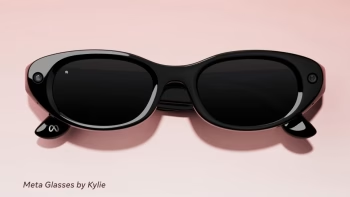
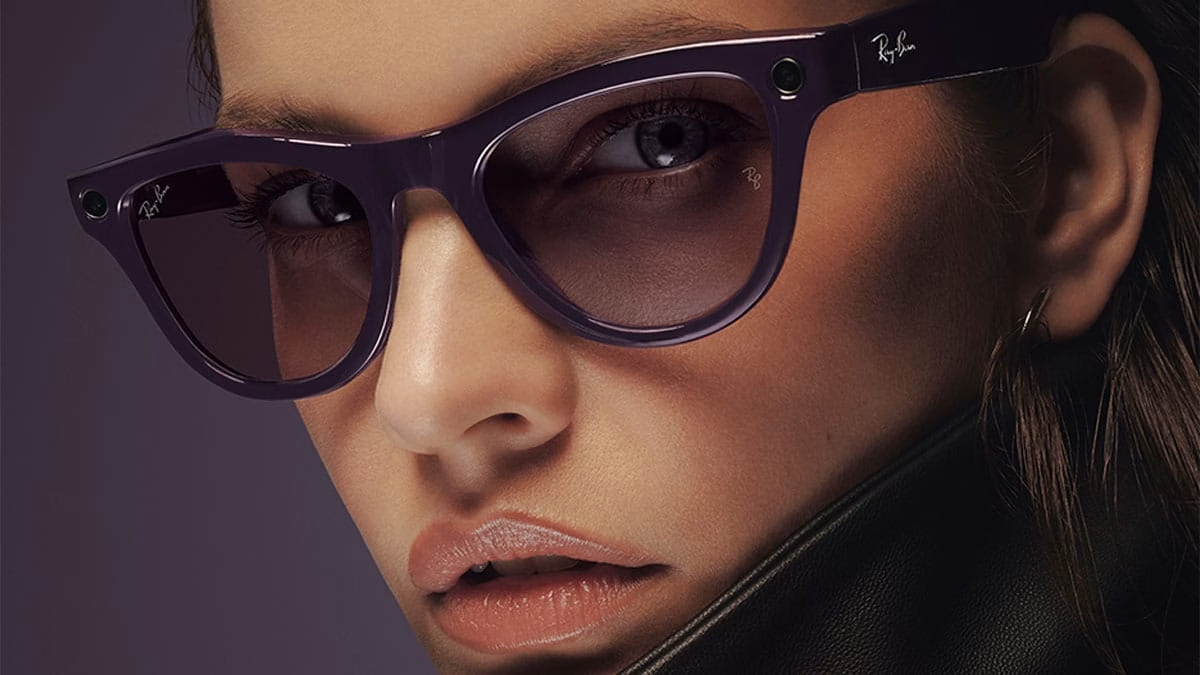
Ray-Ban stays true to its classic DNA while expanding style options. Beyond the iconic Wayfarer, the Gen 2 lineup now includes Skyler and Headliner frames. With over 27 combinations of frame styles, colors, and lenses (including Transitions), customization is at the heart of this new release.
Comfort for All-Day Wear
Despite the extra tech inside, the Ray-Ban Meta Gen 2 remain lightweight and well-balanced. Improved ergonomics and refined materials make them comfortable for long sessions, ensuring they can truly function as all-day eyewear.

Connected Experience and Everyday Use
Beyond design and performance, the Meta Gen 2 glasses shine with their connected features:
Hands-free calling with voice commands
Music playback with improved audio quality
Meta AI assistant integration
Live Translation in real time, now supporting more languages (German, Portuguese, etc.)
Conversation Focus, a mode that isolates your interlocutor’s voice in noisy environments
Instant sharing of photos and videos to Instagram, Facebook, and other platforms
These features transform the glasses into a versatile daily companion, whether for travel, concerts, cycling, or urban exploration.
Gen 2 vs Gen 1: What Really Changed
Battery life: doubled (from ~4h to 8h, plus +48h via case)
Camera: upgraded from 5 MP to 12 MP
Video: now supports 3K Ultra HD with HDR and up to 60 fps
New AI features: Live Translation, Conversation Focus, creative video modes
Design: more frame and lens combinations, still true to Ray-Ban’s aesthetic
Processor: Snapdragon AR1 Gen1 (same as Gen 1)
Bottom line: the leap lies in battery, camera, and software experience.
Price, Availability, and Market Position
The Ray-Ban Meta Gen 2 start at $379 in the US / €419 in Europe. They are available in the US, France, the UK, and other regions through Meta’s official store and Ray-Ban retailers.
Compared to rivals like Snap Spectacles or niche AR devices, the Meta Gen 2’s strength lies in blending iconic Ray-Ban fashion with practical smart features. This generation could finally make smart glasses mainstream.

The Ray-Ban Meta Gen 2 deliver the right mix of style and substance. With double the battery life, a 12 MP camera, 3K Ultra HD video recording, and a wider range of frames and lenses, they feel less like a futuristic experiment and more like a polished lifestyle product.
By adding useful AI features like real-time translation and improved voice clarity in noisy settings, Meta and Ray-Ban are positioning these glasses as a daily wearable tech companion. The Gen 2 doesn’t just improve specs — it sets the stage for smart glasses to become a normal, even fashionable, part of everyday life.