From Google Glass to a Controlled Comeback: A Decade of Learning
Google Glass: Early Innovation and Public Rejection (2012–2015)
Introduced in 2012 and launched in 2013, Google Glass featured a small floating display and a voice-controlled camera. Despite the initial “wow” effect, the strange design, short battery life, and privacy concerns led to massive public backlash. The consumer program was discontinued in 2015, then pivoted to Glass Enterprise for business and healthcare, before being officially ended in March 2023.
Acquiring North and Reviving AR Ambitions (2020–2023)
In June 2020, Google acquired the Canadian startup North, known for its Focals smart glasses with discreet holographic displays. This $180M acquisition reintroduced key expertise in ergonomics, miniaturization, and socially acceptable AR experiences — laying the groundwork for Google’s second chapter in smart eyewear.
Android XR and Gemini: The Technological Foundation
By late 2024, Google unveiled Android XR, an operating system dedicated to extended reality devices. During Google I/O 2025, the company detailed its vision: glasses paired with smartphones, powered by Gemini — a multimodal AI capable of understanding scenes (audio + visual) and assisting users with translations, navigation, and contextual information.
Gentle Monster: The Bet on Design and Desirability
A Korean Brand at the Intersection of Fashion and Art
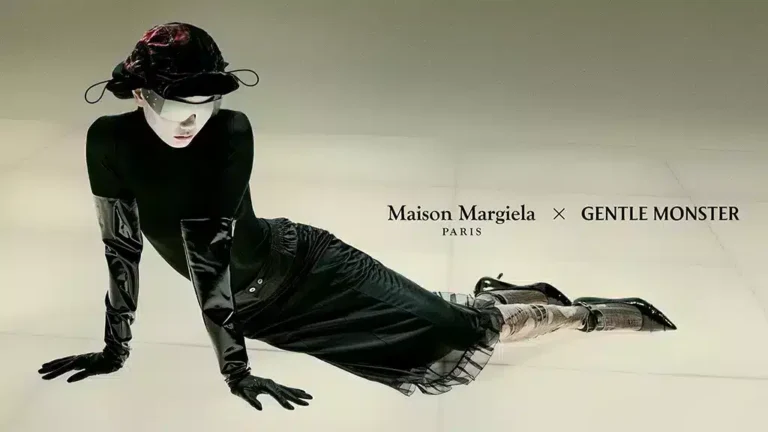
Founded in Seoul in 2011, Gentle Monster built its reputation through avant-garde frames, art-gallery-style stores, and collaborations with luxury fashion houses. For Google, this partnership fills a key gap: bringing emotion, fashion, and aesthetic appeal to tech.
A Strategic and Capital Partnership
In June 2025, Google invested $100M for a 4% stake in Gentle Monster, valuing the brand at $2.5B. The goal is clear: Gentle Monster designs stylish frames; Google provides Android XR, Gemini AI, and core components. The message: this alliance is built to last.
Design + Technology: Overcoming the “Glass Stigma”
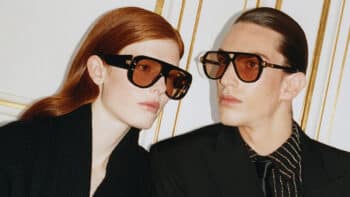
The focus is on embedding cameras, microphones, and micro-displays into elegant frames — avoiding the “cyborg” look that doomed Google Glass. Like Meta × Ray-Ban, Google blends style and tech, but aims higher: to establish an entirely new fashion-tech category.
Warby Parker: Democratizing Smart Eyewear
The American Expert in Accessible Optics
Founded in 2010, Warby Parker disrupted the eyewear industry with its direct-to-consumer model: stylish, affordable frames, virtual try-on, and in-store optometry. This everyday-use expertise makes it the perfect partner to bring smart glasses to mainstream consumers.
A Technological and Financial Partnership
On May 20, 2025, Warby Parker announced an agreement with Google for up to $150M in funding (split between R&D and equity). The goal: launch the first Android XR smart glasses in 2026 with corrective lenses and a “regular eyewear” aesthetic.
Smart Glasses for Everyday Life
The first generation will feature microphones, speakers, discreet cameras, and possibly a small in-lens display. Gemini AI will deliver contextual assistance — reading messages, translating speech, recognizing landmarks — all hands-free and lightweight.
Google’s Vision: Embedded AI and “Ambient Computing”
Toward Invisible, Contextual Computing
CEO Sundar Pichai promotes “ambient computing”: technology that blends seamlessly into daily life. Smart glasses extend human senses — seeing and hearing what you do — to provide instant, context-aware help such as live subtitles, discreet directions, or event reminders.
Gemini + Android XR: The Software Duo
Gemini’s multimodality (text, vision, sound, context) combined with Android XR enables real-world intelligence. Some processing occurs on the paired phone, reducing weight and preserving battery life.
Privacy and Social Acceptance
Learning from Glass, Google emphasizes privacy: recording LEDs, limited capture fields, “trusted tester” programs, and transparent consent policies. Partnering with trusted eyewear and fashion brands also helps normalize adoption.
A Turning Point for the Eyewear and Fashion Industries
Tech-Optics Partnerships Intensify
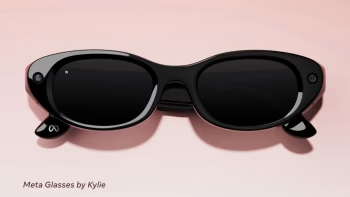
The trend is global: Meta × Ray-Ban (Luxottica), Snap × Luxottica, and now Google with Gentle Monster, Warby Parker, and Kering Eyewear. Designers, opticians, and engineers are co-creating hybrid products where fashion meets intelligence.
Retail & Service Transformation
Smart eyewear introduces new service models: setup, software updates, and tech support at optical stores. Warby Parker’s omnichannel expertise could become a blueprint. For groups like EssilorLuxottica or Zeiss, mastering miniaturization and electronics will be key.
Cultural Shift: Techno-Fashion
Google × Gentle Monster signals a cultural fusion — where eyewear campaigns look more like fashion shows than tech demos. If successful, smart glasses could move from “geek gadget” to everyday lifestyle accessory.
Google, Optics, and the Promise of an Augmented World
From Google Glass to Android XR, Google has evolved from a misunderstood prototype to a true ecosystem built on AI, design, and partnerships. Gentle Monster brings style, Warby Parker brings accessibility, and Gemini brings intelligence. With the first products expected in 2026, the smart glasses era could redefine how we interact with technology — naturally, visually, and intelligently.